
HOW DOES A VILLAGE FEED ITSELF?
Research and creative residency
With Ana Rodríguez (Uruguay)
Várzea de Calde (Calde, Viseu)
July 18th to August 18th, 2026
An activity produced by Binaural Nodar, part of the Tramontana Network project, co-funded by the European Union’s Creative Europe program, with the support of the Calde Civil Parish Council and the Municipality of Viseu.
More than half of the time has already passed. The anthropologist and sound artist Ana Rodríguez has been in Várzea de Calde since July 18th and, between backyard conversations, pots on the stove, and bags of vegetables and fruit, she has been helping to build, day after day, this new work by Binaural Nodar on rural gastronomy.
It is not the first time that the theme of food has appeared on Binaural Nodar’s path — “Plantas Faladas” (2019), in “Ecos da Ida do Retorno” (2022) and, more recently, in “A Carqueja no Quotidiano de Várzea de Calde” (2025). This time it is different: eating, cooking, and setting the table become the center of attention, and it is from there that we try to understand how Várzea de Calde remembers itself and gathers around food.
The fieldwork has been following the cycle of the year — or at least drawing on the memory of how that cycle was lived half a century ago, when the village ate mostly what the land gave, at the right time, and stored the rest for the bad months. It is this calendar of sowing, harvesting, and preserving, almost all of it kept only in people’s heads, that Ana Rodríguez has been trying to recover, conversation by conversation.
Meanwhile, the world has also changed the way the village eats: the trade that arrived and brought out-of-season fruit, the emigrants who returned from Switzerland, France, Luxembourg, Canada, or Venezuela with other tastes in their luggage, and the television and social networks that today weigh as much or more on what is cooked than what comes out of the vegetable garden.
Over these weeks, Ana Rodríguez has been noting down what she hears and sees:
“Poco a poco voy descubriendo que todos tienen sus nanas. No les resulto tan rara, aunque no sé cocinar mucho e intento que la gente me explique cómo lo hacen ellos.”
“Llegué tarde para las cerezas y muy pronto para las uvas, manzanas, peras e higos. Escuché que hay un naranjo que tiene 200 años.”
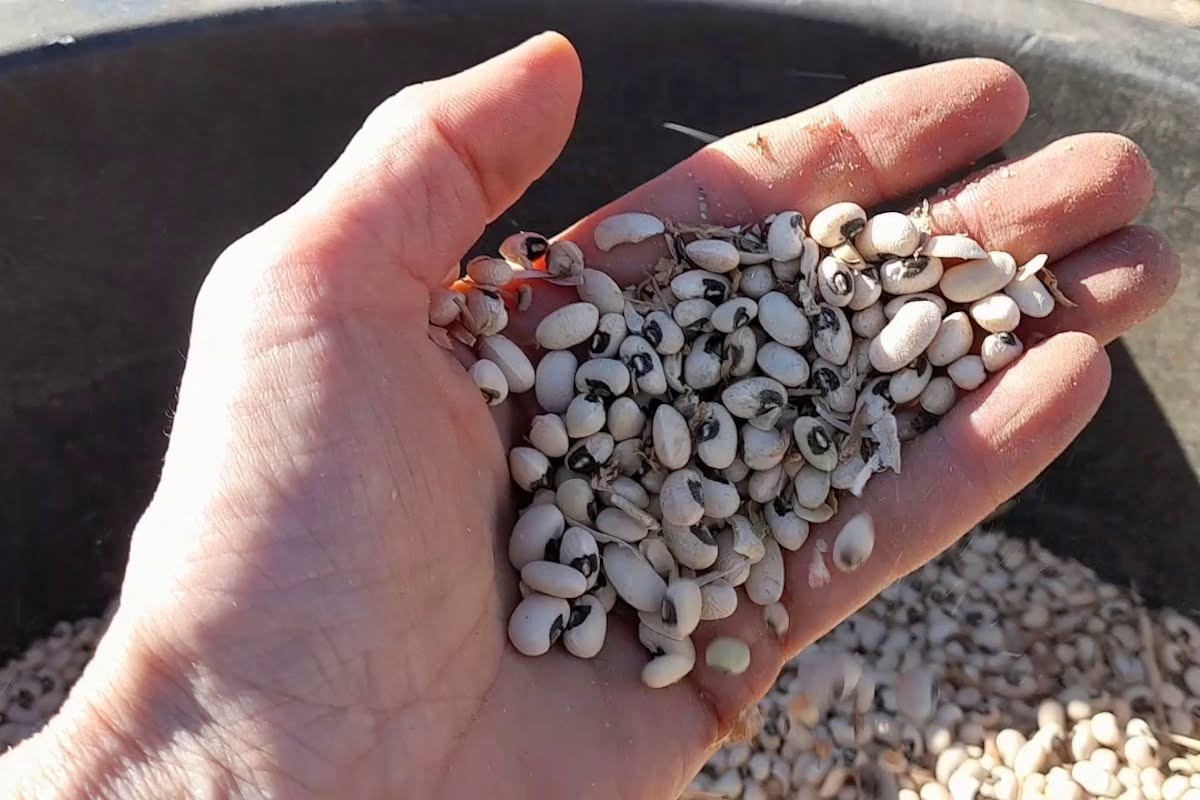
“Desde mi llegada, comencé a recibir como regalo, lo que la gente está cultivando en sus huertas: courgetes, cebollas, mirtilos, batatas, melancias, pimentos, ameixas y hasta peras que un investigador local cultivó en su huerto de Lisboa.”
“Todavía no sé cocinar ningún plato local. Pero esta aldea de agricultores es una academia viviente, para quienes nacimos en la ciudad, tuvimos trabajos buenos, pero sabemos que el futuro está en la tierra. Si los hijos no la quieren, que vengan los hijos de otros. Acá se aprende.”
“How Does a Village Feed Itself?” has the local partnerships of the Municipality of Viseu, the Calde Civil Parish Council, and the Association of Ukrainians in Viseu, and is part of the international project Tramontana Network, funded by the European Union’s Creative Europe Program — a framework that gives this work, carried out in Várzea de Calde and with the Ukrainian community of Viseu, a dimension that goes well beyond the local scale, connecting it to a European network of cultural cooperation.
ARTISTIC AND TECHNICAL CREDITS:
Guest artist: Ana Rodríguez
Residency documentation: Ana Margarida Ferreira, Nely Ferreira, Andreia Mota, and Luís Costa
Local partnerships: Municipality of Viseu, Calde Civil Parish Council, and Association of Ukrainians in Viseu
Co-funding: Portuguese Republic – Directorate-General for the Arts and European Union, within the Creative Europe project Tramontana Network.
Binaural Nodar is a cultural organization supported by the Portuguese Republic – Culture, Youth, and Sports | Directorate-General for the Arts.


